
There is a straightforward premise to any foray into the Western Australian marine environment: have your enjoyment of the reef but do not be part of the trouble. While WA has its share of fine coral gardens, seagrass and limestone reefs as well as top notch wildlife encounters, it is sensible behaviour and good habitat that make a visit what it is.
I am Aurelia Parker and I have no time for travel writing that does not get down to brass tacks; I want to know about the state of the road or where one will find the facilities. In the following you will find what you need to plan a trip to a WA marine park or reef destination, be you a diver, a family or a wildlife enthusiast. We deal in practicalities: the zoning, the season, the destinations, and the best window for WA reef trips and the like.
Visiting Reefs And Protecting Them
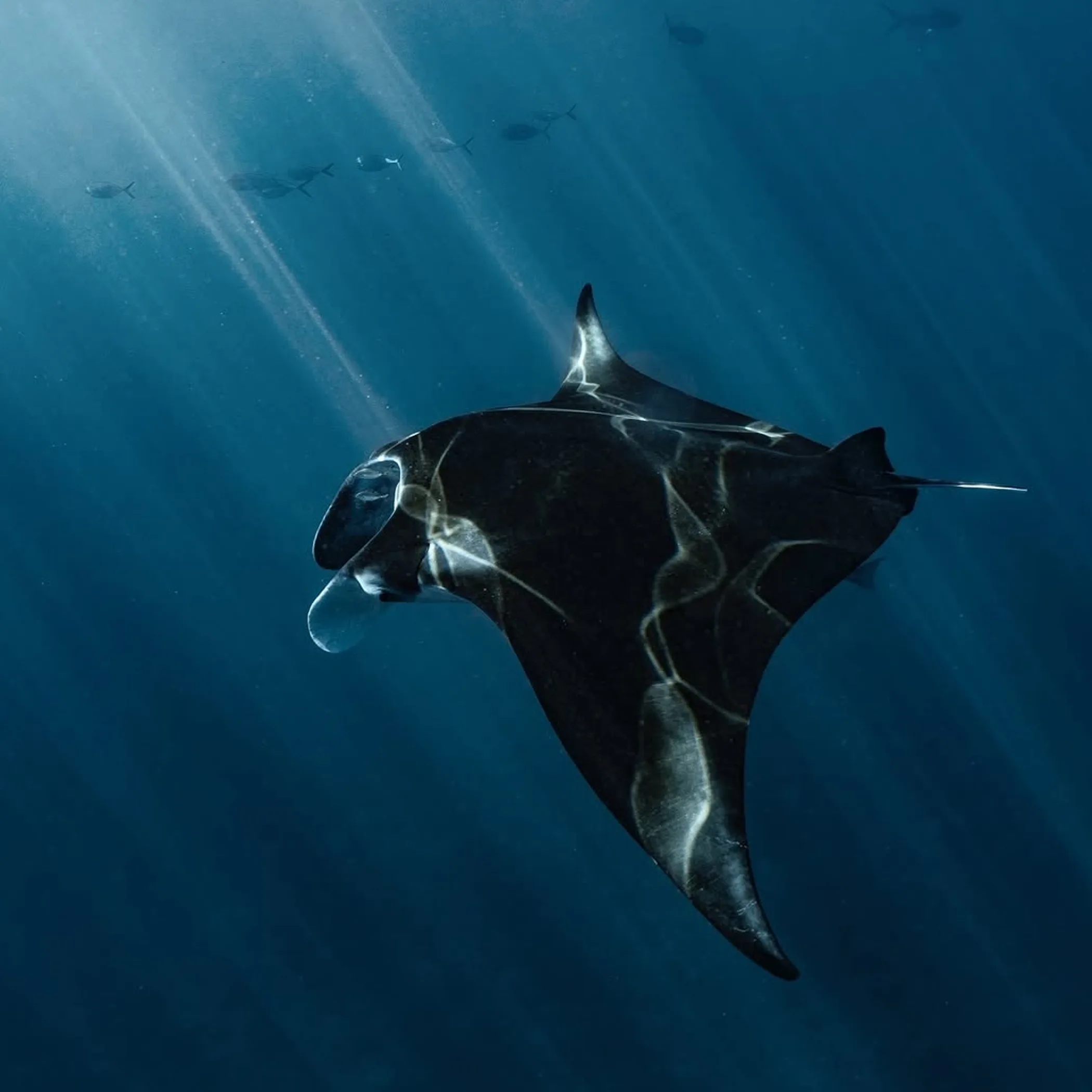
Through a combination of reserves, marine parks, habitat restoration and the odd regulation on wildlife, Western Australia goes to some lengths to see its marine environments are protected. It is how they can put aside space for recreation in an orderly fashion while preserving their mangroves, islands and breeding grounds.
For the most up to date on boundaries and any closures in a WA marine reserve, look to the Department of Biodiversity, Conservation and Attractions which has oversight of much of this territory. Their site is the authority on the matter before you set off.
The Scope of Conservation
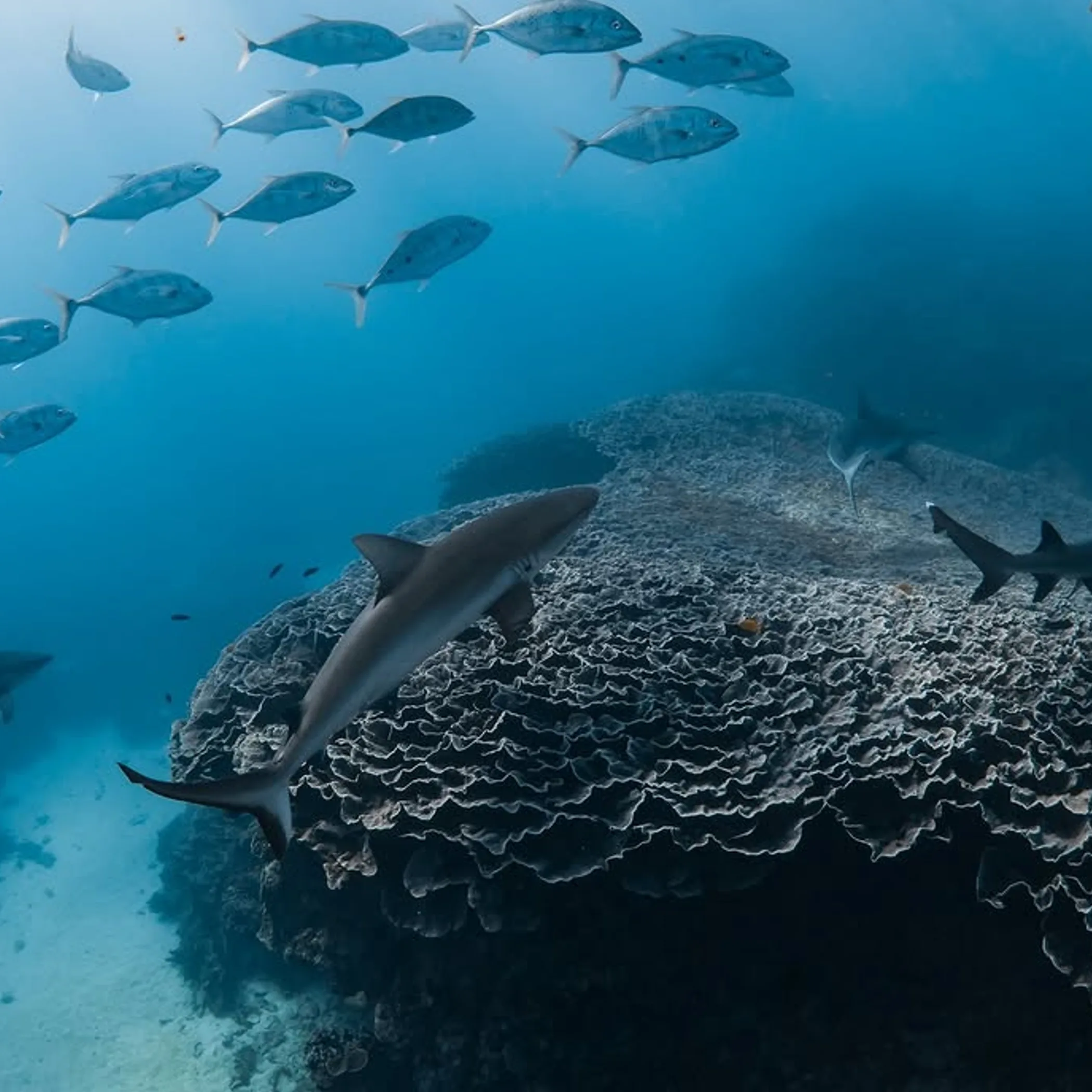
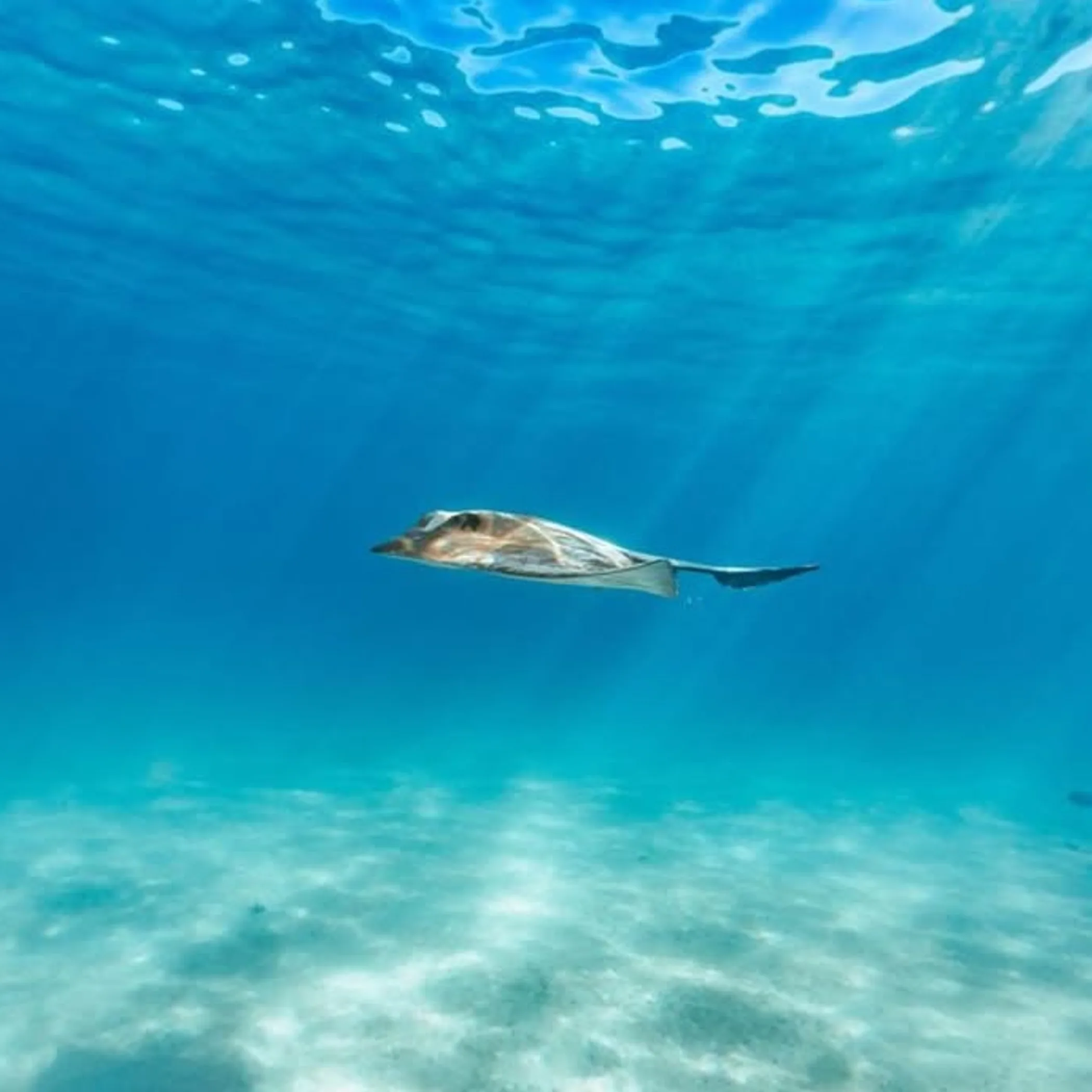
One might think it is all about the coral but in WA waters there are humpbacks, manta rays, whale sharks, dugongs, sea turtles and reef fish to name a few. Seagrass meadows are of particular value as a food source and nursery for such creatures as the dugong.
Then there are the finer points of a coral reef system that are easily overlooked by the visitor: the sponges, the shellfish, the juvenile fish and the rock face where life makes a home. A fin out of control will put an end to a fragile spot in short order, something that has been building for years. The reef would rather you exercise some restraint with your hands and fins than pose for a souvenir.
Some of the Better Reef Destinations in WA
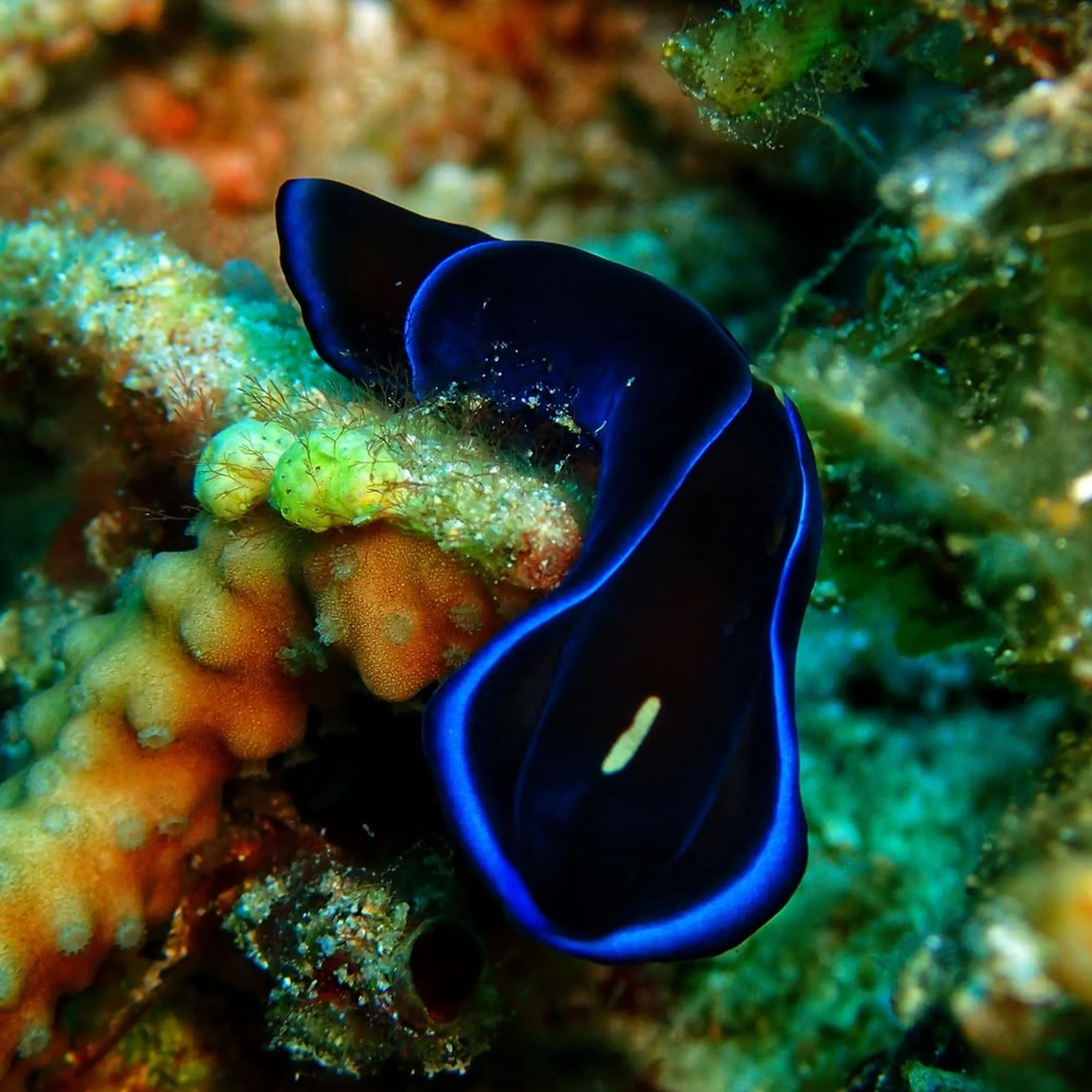
You will find the coral reefs of Western Australia are not all the same. You have Ningaloo with its fringing reef and the usual seasonal fare, Shark Bay for its mix of seagrass and island habitat, or the more imposing coastal scenery of the southern marine parks.
It is a matter of individual preference as to the best place to go. Factor in your budget, how far you are prepared to drive, the weather and what you make of the wildlife when you get there.
Marine Parks
| Destination | What it is for | The reality |
|---|---|---|
| Ningaloo Marine Park | Turtles, manta rays, whale sharks, snorkelling and coral. | A long drive to get there, services are thin outside of town and tours are at the mercy of the weather. |
| Shark Bay Marine Park | Dugongs, dolphins, seagrass, wildlife cruises and the islands. | Remote roads and large distances, conditions have a way of turning. |
| Jurien Bay Marine Park | Island wildlife, fishing, boating and diving. | Easier to reach from Perth yet wind and swell are always present. |
| Ngari Capes Marine Park | Coastal walks, rocky reefs and diving. | Visibility is variable, the water is cooler and access is not always simple. |
| Montebello Islands Conservation and Marine Park | Specialist expeditions, remote travel and the like. | Do not treat it as a day out. Make sure you have the fuel and safety gear to back it up. |
Ningaloo: Straightforward Access
In many spots the reef is right on your doorstep at Ningaloo, making it one of the more uncomplicated ways to put in some time with a coral reef. The park runs the length of the coast by Exmouth and Coral Bay, though you will note differences in conditions from one beach to another.
At 260 km or so, a trip to Ningaloo is not a uniform affair. Those wanting to put in a reef tour will head to Coral Bay, whereas Exmouth has more in the way of operators and lodging. Expect to come across guided scuba and snorkelling, or perhaps a humpback or two in season. But do not put stock in anyone who says he can put a marine animal in front of you on command; that is confidence being sold, not conservation.
Wildlife in the Seagrass of Shark Bay
If the appeal is a more varied ecosystem than just the coral, then Shark Bay is the place to be. Its channels, bays and islands are home to a host of bird life as well as sea turtles and bottlenose dolphins.
Tours in the marine park will put in from Denham or Monkey Mia for the most part. To get to Steep Point or Dirk Hartog Island for something more off the beaten track, you should be prepared for rough tracks and long drives. Permits and a high clearance vehicle are not to be discounted and you will want to have your fuel sorted. The mistake most make is to think the distances are not what they seem. On a map Shark Bay appears to be no trouble at all, but one remote detour, a tyre going down or a boat that is late will put an end to your plans in short order. Make allowances for extra time, have water on hand and leave some leeway in your return connection.
WA Marine Park Zones
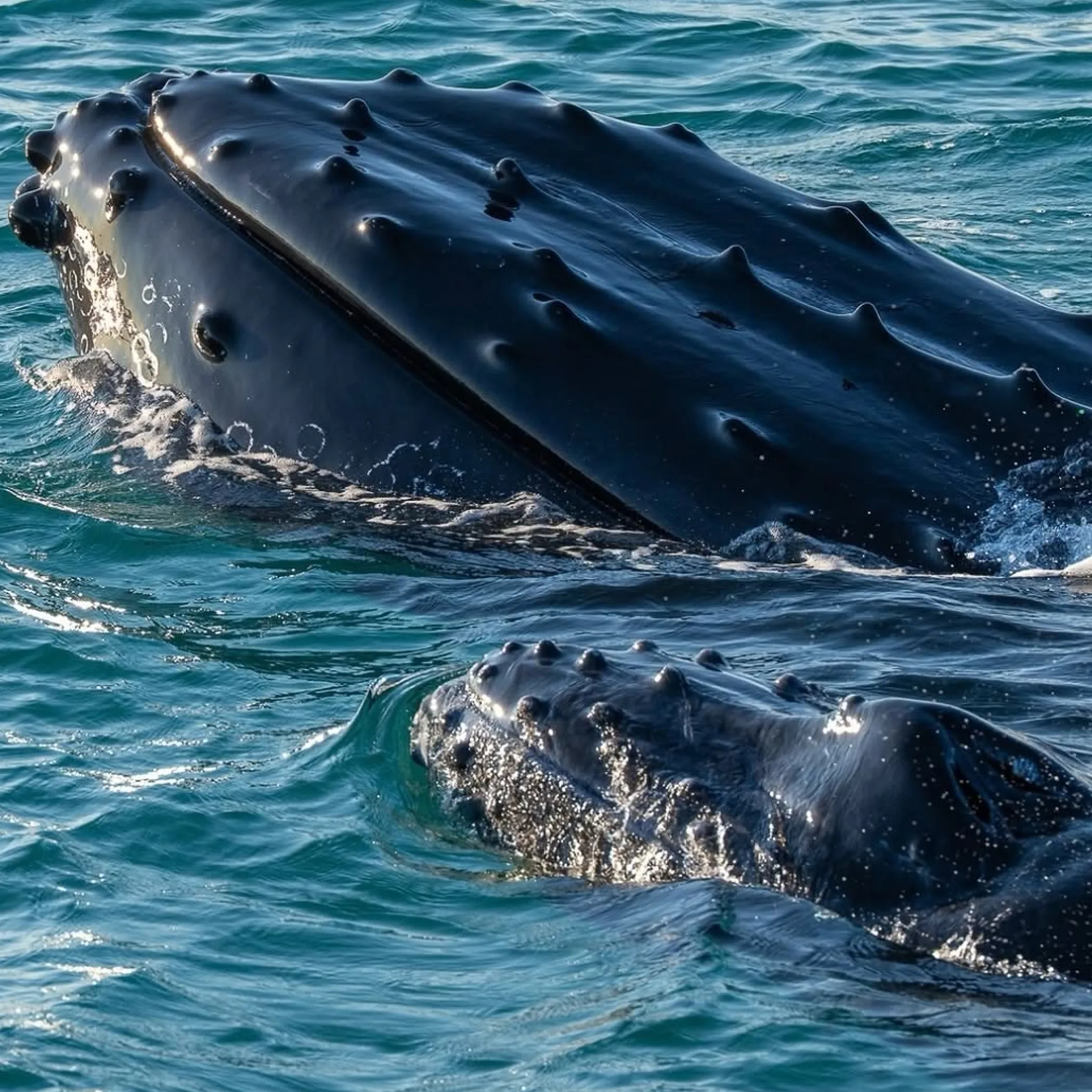
Zoning of a marine park dictates which activities you can do where. A given park will have its share of sanctuary, recreation and special purpose zones in order to see that habitat protection and research are in balance with boating, fishing and tourism.
It is best to consult the current WA marine parks map prior to putting a boat in the water, going fishing, anchoring or making for an island. You may find mobile reception wanting when you require it and boundaries are not easy to make out from the water.
Sanctuary and Recreation
The strongest protections are found in sanctuary zones; fishing and the like are as a rule off limits, though the particulars of any park’s management will determine the rules. While you might be allowed to swim or dive in certain sanctuaries, do not be under the impression that because an area looks undisturbed it is open to all comers. In recreation zones there is more latitude for low-impact pursuits, and special purpose zones are set aside for conservation or wildlife management. Rely on official maps and the signs at the ramp, not a screenshot on your phone.
Reading The Map
Know your launch point, where the zone ends, where to get fuel or supplies and how to access emergency services before you go. Put an offline copy away; there is little reliable reception on a remote beach in WA and the ocean is not forgiving of poor preparation.
If moorings are available, use them properly. An anchor left on a bommie, seagrass or visible reef does damage to the habitat. In the absence of a safe mooring, heeding local advice is called for.
Reef Etiquette
There is no need to overcomplicate it: take nothing, give the animal room and look. When fish or turtles are in the vicinity a calm swimmer will be rewarded with more than one in a fluster. And a responsible encounter is one where the animal is not put to flight by being surrounded or touched.
Rules For Diving And Snorkelling
This applies whether you are with a guide or have swum out from shore. Hands off the turtles and rays, do not feed the wildlife or stand on coral and keep your fins and camera clear of the reef. Shells in protected areas are not to be collected.
- Make sure you have taken the measure of the weather, swell and wind and any local warnings first.
- If you are not a confident sort of swimmer a flotation device is in order and you should remain with your group.
- Sun protection and water are essential, as is a surface marker when the situation warrants.
- Whales, manta rays and dolphins are to be given their space.
- Leave coral, shells, rocks and marine animals where you find them.
Should a beach seem deceptively familiar, strong currents or visibility issues can render it unfit for a novice. Unless you can putter back to shore unaided, opt for a guided tour or something in shallow water.
What To Expect On A Wildlife Tour
Reality has a way of not matching up with expectation. You could put in a long day on a whale shark boat ride, do several swims and not see one. Or the water on a manta ray outing might be rough despite good sightings. From the shore a snorkelling spot may appear tranquil until a lateral current has you moving along the reef.
Put questions to the operator on the matter of group size, safety gear and cancellation, and what the protocol is if the wildlife is absent. A decent operator will not put pressure on his passengers to close in on an animal for the sake of a photo.
Travel And Conservation
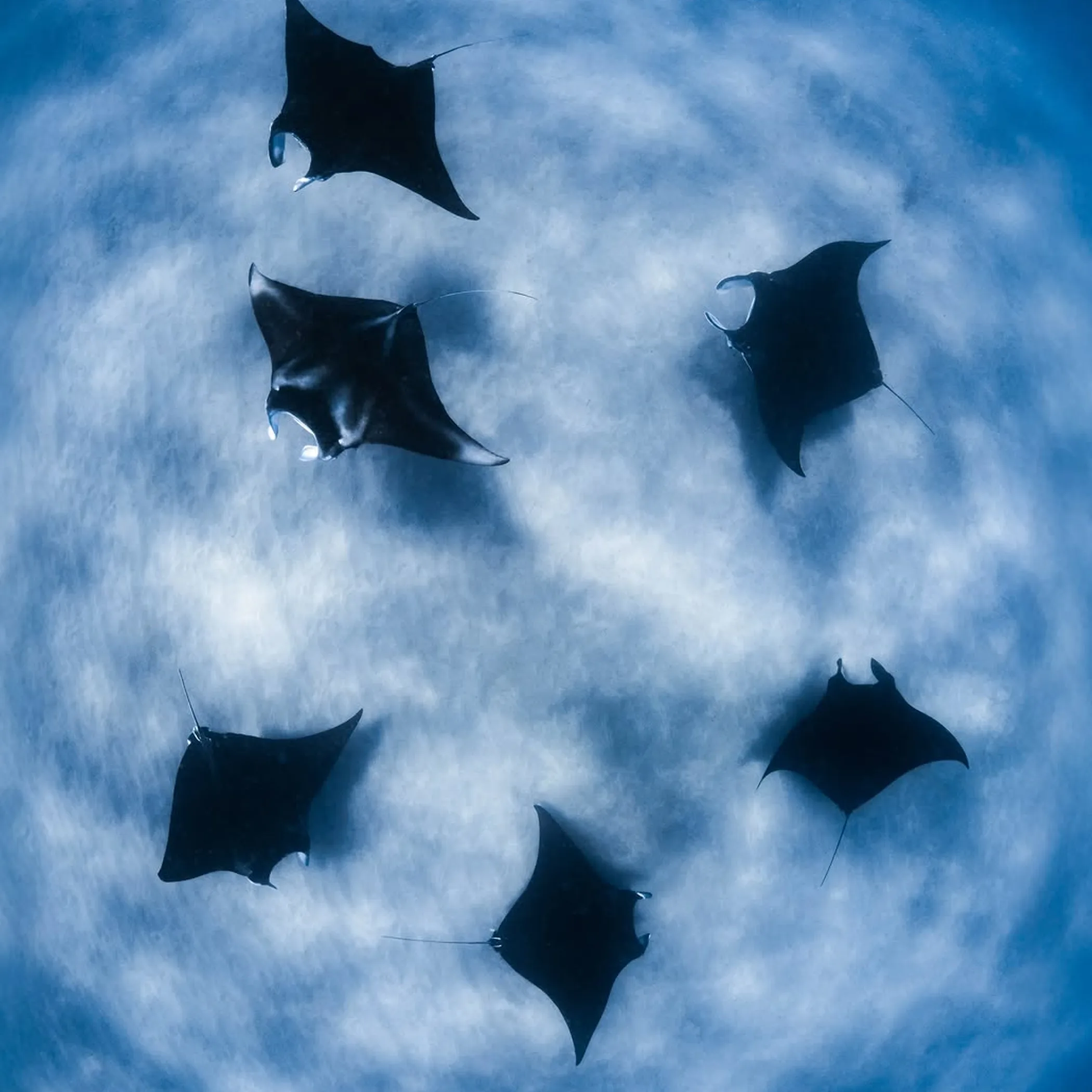
By patronising licensed operators in Western Australia who have regard for the habitat, you are in a position to support conservation through your reef tours. Do not take the term sustainable at face value, enquire as to what is done to further research and mitigate impact.
A few small things will make a difference: use the paths, put your rubbish in your pocket, eschew single-use packaging and top up your bottle. In a remote part of the country a discarded wrapper is only too apt to be carried off by the tide.
Citizen Science
There are opportunities to lend a hand with citizen science by way of photographs or recording observations of identifiable species and entering into monitoring programmes. One thinks of the Ningaloo Manta Project and the research it has garnered from the public.
Use the project’s official channels to put in your records and adhere to what is instructed. There is no need to hound an animal for a superior shot; an unobtrusive, if somewhat blurry, observation of wildlife will serve you better than a flawless picture that is the result of poor conduct.
Volunteering for marine conservation
This is for the traveller with the time to give and the ability to put up with the rigours of being outdoors as well as following directions. Do not expect to be swimming with animals on a constant basis; you are more likely to find yourself doing repetitive monitoring in the sun, wind and sand, or with wet clothes, and early mornings are part of it.
For a holiday activity of short duration there are organised clean-ups and educational sessions to be had. But if field experience is what you are after, make contact with your chosen university, government program, local council or a conservation organisation of repute prior to your trip. Seasonal projects and training demands differ from one place to another.
A Reef Trip in WA
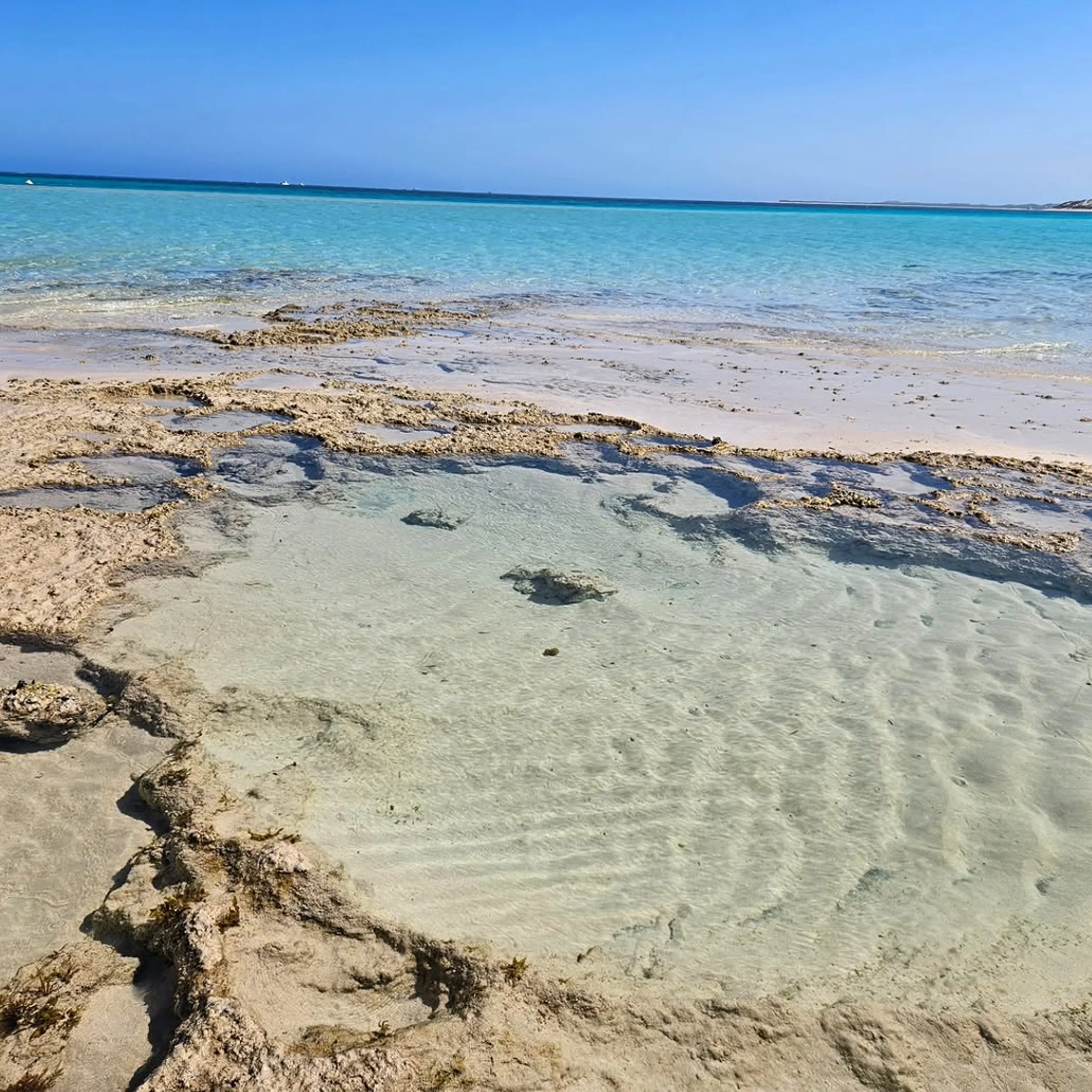
What makes for a good window to visit depends on where you are headed and what you put first. The dry season at Ningaloo tends to be more agreeable for travel yet one should not think water temperature, swell or the wildlife are the same in Exmouth, Coral Bay and the south of the state.
In the north of WA the period between November and April is when cyclone alerts come into play. The roads, rain and wind associated with a cyclone can put paid to your plans for camping, tours or even flights. Then there is the prospect of heat stress and bushfire closures in summer, and winter brings its own cooler water and less predictable weather.
By the region
Do not try to pin down an ideal month for Ningaloo, plan on the activity instead. You will find humpback whales according to their migration and manta rays at different times of the year, and whale sharks are a seasonal affair. Make sure with the operator as to what the conditions and dates are.
Shark Bay is a fine place for wildlife most of the year though the remoteness and heat can be uncomfortable. In the southern parks like Ngari Capes Marine Park it is often cool enough to warrant a wetsuit despite how pleasant the air is.
The reality of costs and transport
Take the figures below as a range for your planning, not set in stone. An adult on a guided snorkel excursion might pay $100 to $250 but you can be out several hundred for a specialist dive or manta ray/whale shark trip. Add in fuel, meals and a room and the total adds up, in remote areas all the more so.
To get to the marine parks in WA one will usually drive. A short break to Jurien Bay from Perth is manageable, whereas you have to put in more work to get to Ningaloo or Shark Bay. Flights save on the driving but then you are at the mercy of tour transfers or have to hire locally.
When in a coastal backwater have some food and spare drinking water to hand, a first-aid kit, sun protection and the means to recover a vehicle if need be, and offline maps. Put in a word as to your route. And check your tyres for the road. Do not make of a rental car what a bush truck is just because the brochure has a photo of one.
One day only
Make for a guided experience in easy reach of where you are staying. Book a marine tour in Jurien Bay and leave some leeway for the weather, do not put three things on the schedule. In Ningaloo pick your one water activity and be flexible with the balance of the day.
Unless you have a buffer to spare, do not put a long drive out to the boonies, a boat with a departure time and an evening flight in the same day. Delays happen on the coast and it is neither sensible nor relaxing to make haste back from the reef.
Some questions asked
Is Western Australia home to any marine parks?
Yes, there are several reserves and parks: Montebello Islands Conservation and Marine Park, Ngari Capes, Jurien Bay, Shark Bay and the Ningaloo Marine Park to name a few. They all have their own rules and access conditions.
Where in Australia for a bit of marine conservation volunteering?
You will find openings with research projects, councils, universities and the like for citizen science, observing wildlife or picking up marine debris. See to it that you are eligible and have the necessary insurance and accommodation before you sign up.
Coral reefs in WA?
Ningaloo is the most famous of them, with its fringing reef, coral gardens, turtles and the occasional whale shark. There are other habitats of a rocky or coral nature in the various marine parks as well.
What of the sanctuary zones?
Within the parks these are the protected waters where the management plan will have you fishing or collecting under restrictions. The map and the signs will tell you what is allowed before you put a boat in the water.
Can a novice snorkeller make of Ningaloo?
There are some calm, shallow spots with supervision that are fine for beginners. Elsewhere you may be faced with currents, boat traffic and sharp coral. Heed the locals and wear proper flotation, do not rely on what you see from the beach to gauge your safety.
Put the reef in order
It is best if tourism in WA is in support of conservation. Be aware of the zones and the remote conditions, and let the wildlife be.
You should not be putting a piece of coral in your bag as a memento. Travel light and plan your visit so the reef is left to get on with it in the water where it is meant to be.